1_KK2PrGoqGEjtDlZjf8CkrQ

The Graph Research Report

Posted on 22nd October, 2021

Overview:

The Graph Token is an ERC20 token that serves as an internal payment method. As a result, the GRT token is used to settle incentives for indexers, delegators, and curators. GRT is required by consumers to pay for data queries.

The CMP is $0.921 as of 22nd October 2021.

What is The Graph ?

The Graph is aa decentralised protocol for indexing and accessing blockchain data. The Graph indexes blockchain data from networks like Ethereum and Filecoin in the same way that Google indexes the web. This information is organised into subgraphs, which are open APIs that anybody may use to query.

Why The Graph matters and its problem solving capabilities

The project is a decentralised Oracle solution that collects data from blockchains and analyses it for later usage. Subgraphs, which can be comparable to an application programming interface, are utilised (API). To obtain the data, they may be integrated into a variety of programmes.

The goal of the Graph is to retrieve and prepare data from various protocols (e.g., Ethereum or Filecoin). Users will have simple access to data sources and will be able to use the information immediately as a result of this. Developers may get this information (for example, token pricing) and utilise it in their apps.

  • Indexers:-  Those wishing to provide data must operate their own node. The GRT token is required for this, which node operators can get. If a supplier delivers inaccurate or incorrect data, he will be penalised and a portion of his deposit will be forfeited. As a result, the service provider attempts to sell only accurate data.
  • Curators:-  Curators determine if a source is reliable and delivers useful information. They tell indexers which subgraphs in the network should be indexed. They accomplish this by placing GRT tokens in the appropriate subgraph. They are then paid a portion of the fees.
  • Delegators:- Delegators are participants who contribute to the network’s security by depositing shares in indexers. They do not, however, have to run their own node; instead, they can join one that already exists. In exchange, they may receive a portion of the node’s fees.
  • Consumers:- End-users who wish to buy qualitative data are referred to as consumers. Trading platforms and decentralised apps are examples of this. They pay indexers and then use APIs to integrate the data into their application.

Fundamentals of The Graph

The Graph acts as a kind of marketplace for specialised data on Ethereum. The Graph Explorer may be used to view each data set on this marketplace, which is referred to as a Subgraph.

You may think of it as the textbook equivalent of utilising bookmarks and a highlighter. Every subgraph description is duplicated and saved on IPFS, Filecoin’s decentralised data storage layer (FIL).

Graph Explorer now allows app developers to quickly obtain the data they require for their apps using Graph QL, the company’s own straightforward querying language. When a developer makes a data request, the Graph Network’s indexes are used. To discover the information you’re looking for, go through relevant subgraphs. Indexes use a signal called a curations signal to determine which subgraphs to extract material from. Curators provide this service by creating subgraphs and evaluating their quality.

Index has also been rewarded with GRT tokens for inflationary indexing. Delegate a steak GRT to let the Graph Protocol know which indexes to use to collect data for developers to guarantee that indexers do not overpay developers for their services.

For this service, delegators receive a share of query costs and indexing incentives. Indexes must stake GRT tokens to guarantee that they execute their job. Even if the indexer gives erroneous data or indexes a portion of their state incorrectly, the state can be sliced. Curators must stake GRT on a subgraph bonding curve, which is the curatorial signal utilised by indexes, to guarantee that they are guiding indexes to the highest quality material.

The most important conclusion is that the bonding curve encourages curators to be the first stakeholder on a new subgraph. They feel it has high-quality data. This is because curators get a share of the query costs paid to indexes, and owing to the bonding curve, curators who staked the earliest on a subgraph being searched will get more of the query fees allotted to curators. Curators, unlike indexes, will not be fired for poor behaviour.

 Use case:-

  • GRT is used by Curators to signal subgraphs that are worth indexing. Through the Explorer, curators are able to view network data to make signalling decisions. The Graph Network rewards curators that signal on good quality subgraphs earn a share of the query fees that subgraphs generate.
  • It is staked by Indexers to keep their incentives in check.
  • People who own GRT tokens, but don’t want to be Indexers and run the GRT node, can become Delegators and earn a portion of Indexers reward. Indexers select subgraphs to index based on subgraph’s curation signal, where curators stake GRT in order to indicate which subgraph are high-quality and should be prioritized
  • The Graph is already used by other popular projects such as Uniswap, Synthetix, Decentraland and Aragon.

Tokenomics

Token Symbol                 : GRT

Token Name                   : Graph Token

Initial Token Supply   : 10 billion GRT (initial)

Annual Issuance            : approximately 3% (for year 1)

Annual Burn                   : around 1% of query fees & taxes

Max Token Supply        : 10 million minted  + New issuance  – Burning

Competition Analysis

Team, Media & Community strength

Graph was launched in 2018, founded by electrical engineer Yaniv Tal, computer scientist Jannis Pohlmann, and roboticist Brandon Ramirez.

Their media presence seems to be growing significantly with over 150K Twitter followers and over 25K Telegram members.

Conclusion

The Graph has been online since December 2020 and already has a large following. Unlike many other cryptocurrencies, some of which are much more valuable, GRT can already help to build the crypto ecosystem.

Pros:-

  • Decentralization:- Finding fully decentralised enterprises is a huge difficulty in the crypto realm. One of these initiatives, The Graph, is a centre for genuinely decentralised application development.
  • Increased security:- The Graph has a high level of security. This is critical in establishing a network that consumers can trust.

Cons:-

  • Token holders have no say in issuance:-  While token holders play important roles like indexers, curators, and delegators, they have no say in GRT issuance or other parts of the network’s economy. This is seen as a possible threat to the network as a whole.
  • GRT tokens have a limited quantity, making them unsuitable as a currency. This is OK, though, because the network was designed to support developers rather than transform the token into a currency.

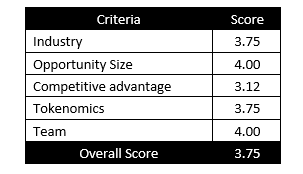
MintingM rating for The Graph: 3.95/5

CriteriaScore
Industry4.00
Opportunity Size4.00
Competitive advantage3.50
Tokenomics4.25
Team4.00
Overall Score3.95

Important links and sources:-
https://medium.com/
request_Logo

Request Network Research Report

Research summary:

This research report is focused on “Request Network”. We will focus on how the project works, what value it adds, and review its pros and cons. The CMP is $0.2 as of the 15th of October.

What is Request Network?

Request is a decentralized network that allows anyone to request a payment (a Request Invoice) for which the recipient can pay in a secure way. All of the information is stored in a decentralized authentic ledger. This makes the payments cheaper, easier, and more secure.

Request supports Ethereum, Celo, Polygon, Fantom, and Near payment networks and there are more than 750 companies that use Request.

It is currently ranked at #277 (based on Mcap) in the cryptocurrency market. There is a maximum supply of 0.99 billion REQ tokens out of which 0.99 billion REQ tokens are in circulation (It is fully diluted). STX is currently listed on Binance and Binance.

How does Request work?

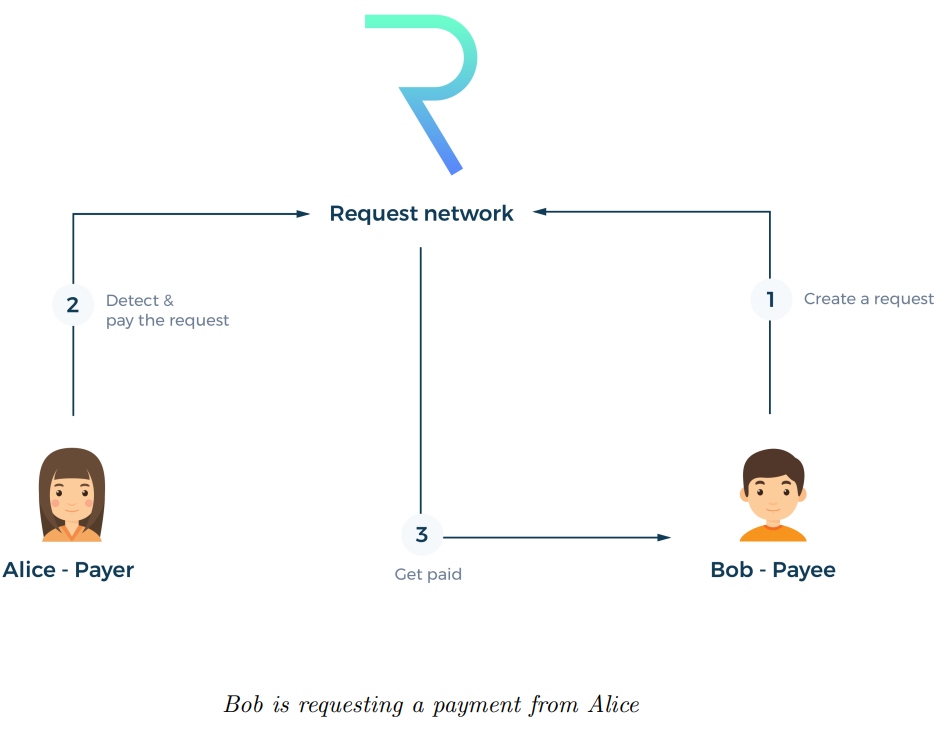
Request is a decentralized network that allows anyone to simply create, share or fulfill a request for payment. When a Request is created, the trade laws that are applicable to its specific case are taken into account, and taxes are applied.

When creating a request for payment, the user (Bob) defines to which address the payment request needs to be allocated and what the amount is due. Optionally, the user can define terms and conditions to the payment request, upgrading the simple request for payment into an invoice. After creation the user can share this request for payment/invoice, to make sure it’s paid by the other party (Alice). All these steps are documented and stored on the Request network, allowing everyone involved to easily keep track of their invoices, receipts and payments for (personal) accounting purposes.

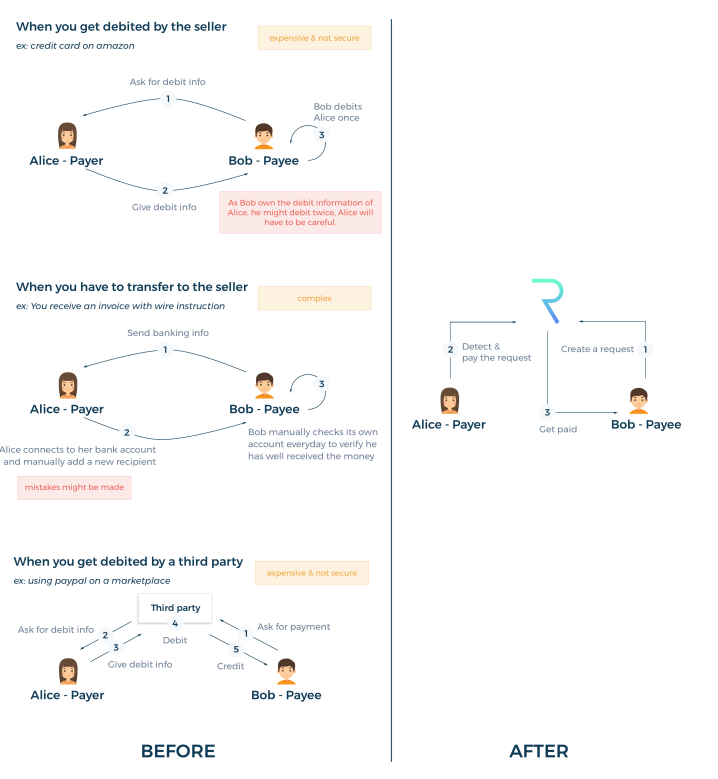
They simplify the entire process, which results in cheaper, easier, and more secure payments, and it allows for a wide range of automation possibilities.

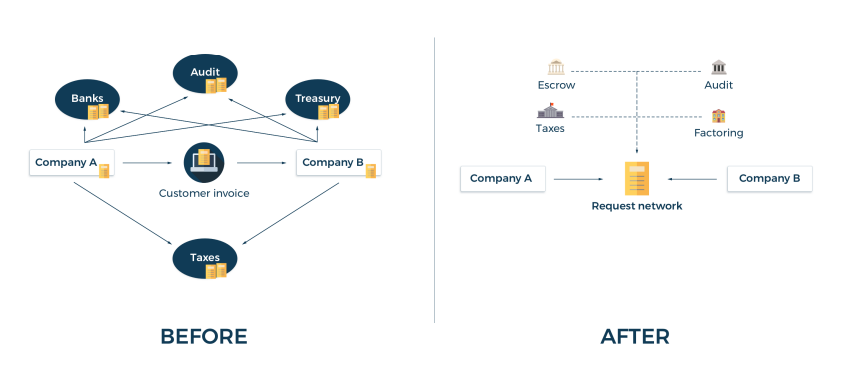
With more than 5 trillion dollars moved everyday via the SWIFT network alone, Request would simplify the current system. A ledger containing all standardized accounting entries can automate real-time accounting, improve auditing, automate factoring, simplify expense reporting, make escrow simple and reliable, and detect and automatically pay taxes.

What is the utility of the REQ?

Given that the cryptocurrency space is blowing up lately, a lot of projects are creating tokens just to ride the hype. So, the question we should ask is “Does Request (in this case) require any tokens? Well, when creating a payment request using Request, an additional fee is required when broadcasting the payment request to the network. Upon broadcasting, this fee is sent to a smart contract called “Burner” on Ethereum, collecting all fees paid to create requests.

By calling a function on the smart contract, these collected ETH fees are periodically swapped into REQ tokens using an on-chain liquidity protocol called Kyber Network. Simultaneous to swapping ETH into REQ, the smart contract transfers the total amount of REQ tokens towards the Ethereum genesis address. This practically reduces this amount of REQ from the total supply, as no one will ever be able to gain access to this address, making it deflationary. The utilities are given below:

Anti-spam: In order to avoid people spamming the network with payment requests, a certain fee is charged in REQ, which is eventually burned. 

Governance: Given that Request is a decentralized protocol, the token can be used as a tool for governance by the network participants.

Others: Other major utilities include, staking, discounts to holders and independency. The REQ token allows the Request network to migrate, simultaneously run on multiple blockchains or even run on its own dedicated blockchain, without hurting the core mechanisms of the network. This makes the network independent from both the currency and technical infrastructure provided by others.

Competition analysis.

There are a lot of players in the traditional space, such as Paypal and Venmo and there are a few competitors in the blockchain space as well.

Request network isn’t the market leader but it does have huge potential.

Team, Media, and community strength.

The team behind Request Network has extensive knowledge and experience in the money transfer space. One of the co-founders (Christophe L) was the co-founders of MONEYITS, which was operating in the money transfer space.

Their media presence isn’t strong but they do have a decent community strength. They have 47k Twitter followers and 3k discord members.

Conclusion

Pros: Request Network is working on solving on removing inefficiencies and improving the money transfer space with the help of blockchain. The tokenomics is excellent and the team behind the project is experienced in the industry.  

Cons: The money transfer space has a lot of players in both the traditional space and the blockchain space. 

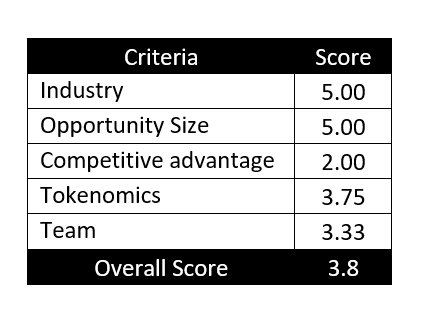
MintingM rating for Request Network is 3.8/5

Logo

Enjin Research Report

Research summary:

This research report is focused on “Enjin” which solves major issues in the gaming industry. We will focus on how the project works, what value it adds, and review its pros and cons. The CMP is $1.71 as of 8th October 2021.

What is an NFT?

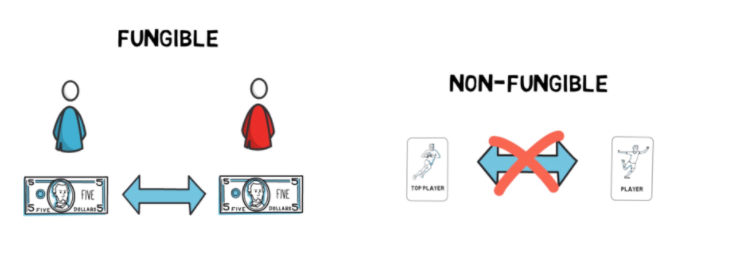
NFT stands for non-fungible token. The non-fungible aspect signifies its uniqueness and such tokens can’t be replaced by anything else.  For instance, the US dollar is fungible, which means that one USD isn’t unique and can be traded for another USD.  For example, I borrowed 1 USD from my father. When I pay him back, I can send him any USD and not specifically the USD that he gave me.  While on the other hand trading cards, art, collectibles, and more are non-fungible. For instance, a Ronaldo Trading card is not the same as a Messi trading card.

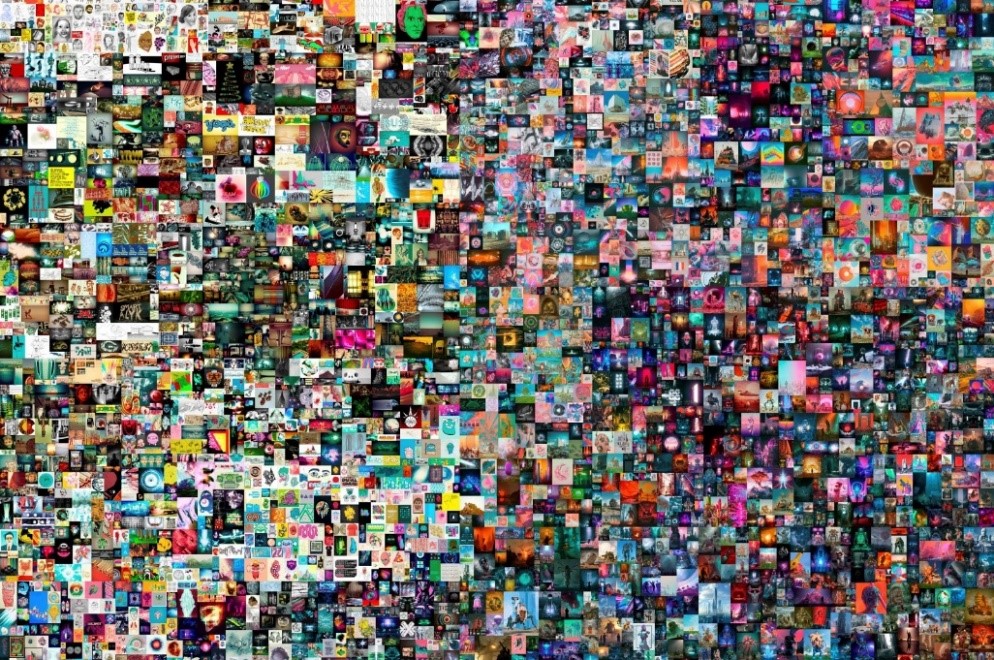
An NFT’s uniqueness is authenticated by the blockchain it is on. People started to apply the technology to authenticate uniqueness to digital art thereby creating a whole new world of digital arts and collectibles.

The above digital art was bought by Metakovan, a south Indian Bitcoin billionaire for approximately $70 million. Although I have attached a copy of the art above, he is the sole owner of the artwork and this is confirmed on the blockchain.

Video games are also another massive driver for the NFT industry. A virtual economy is essentially a system of online jobs, assets, marketplaces, and traders which has emerged across a range of online platforms such as Minecraft, SecondLife, and Decentraland. There is a virtual currency within these virtual economies, which is used to buy and sell in-game assets (such as land, houses, weapons, vehicles). Currently, within the centralized games, all the assets are controlled by the company and are siloed. NFTs can solve this problem.

During the pandemic, virtual economies have been exposed to over 2.5 billion people and it is expected that approximately $129 billion worth of digital game spending would occur. It is safe to say that the NFT space is not only soaring but also has a lot more potential than expected.

What is Enjin?

Enjin is a project that operates in the gaming industry (a multibillion-dollar industry) and the NFT industry which is also booming. It enables players to tokenize virtual items (or in-game assets) and get complete control over them, rather than having them in a server, which belonged to someone who could decide to shut everything down.

It is Ranked #78 (based on Mcap) in the cryptocurrency market. The maximum supply is 1 billion tokens out of which 0.83 billion tokens are in circulation. It is currently listed on Binance, Coinbase, and Upbit.

What problem does Enjin aim to solve?

The gaming industry, which is worth more than $300 billion dollars, which is more than the music and movies industry combined (Accenture report) has approximately 2.7 billion gamers

With such a huge market, there is a huge problem and it is “in-game purchases”. An in-game purchase essentially means items that you can purchase within the game universe. These items (such as the costume your avatar wears, the design of your car in a racing game, the design of your weapon is a shooting game) can be easily bought on the game store.

But the purchased items don’t leave the game and with newer releases and versions, lose their importance and value over time deeming them redundant.

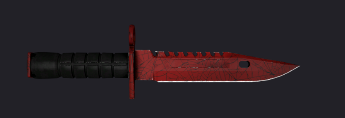
To illustrate this, the cost of a knife in a popular game known as Counter Strike: Global offensive is worth $20,000. If the Counter strike decided to remove the knife from their game, the person who bought it would start pulling his hair out. And there will be nothing he will be able to do about it

According to the whitepaper, fraud is a very common phenomenon in the in-game virtual item space. So the game developers have to deal with scammers and also make sure that they don’t hurt the game’s reputation.

What value does Enjin bring to the table?

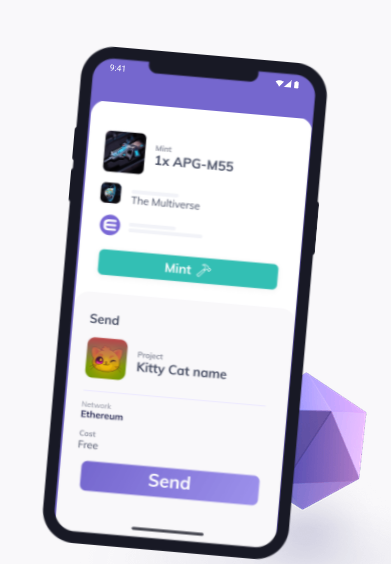
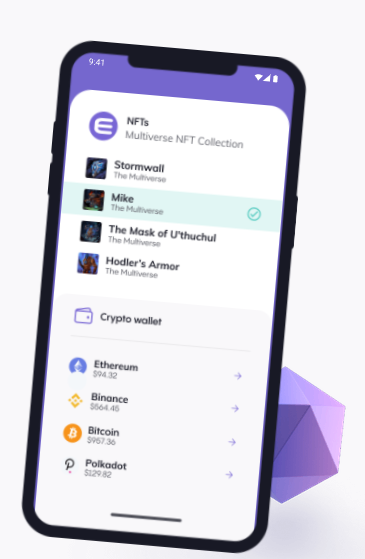
Enjin provides a tool kit to the game developers to bring blockchain gaming into their pre-existing game & create NFT based in-game items so that it isn’t siloed. These tools allow developers to provide utility to the NFTs. It allows gamers to keep their NFTs safe with the help of their mobile wallet & last but not least, it also has a marketplace for the above-mentioned NFTs.

Staying true to their objective, Enjin Multiverse came into being. A blockchain gaming multiverse is a collective gaming reality created by integrating a collection of blockchain assets with multiple games. In other words, a gaming multiverse is a collaborative gaming project where multiple game developers agree to use the same shared, decentralized database for some (or even all) of their in-game assets.

This enables gamers to utilize a multiverse asset in every game that is a part of a specific gaming multiverse (e.g., if a player owns a sword in Game A, they will also own it and can use it in Game B). In-game assets in a blockchain gaming multiverse are owned by gamers, while individual game developers control only the games they create.

This is very similar to the world of “Ready player one”. It also solves the high gas fees problem of the Ethereum network with the help of “Jumpnet”. It is a private version of the Ethereum Blockchain with the Proof of Authority consensus mechanism. This enables instant, secure, and gasless on-chain transactions.

Token utility

ENJ is the native token and has 1 primary utility. It is used in the process of minting NFTs. Now each NFT minted via ENJIN has a certain amount of ENJ tokens, hence giving real-world value other than the perceived value to the NFTs. The process can also be reversed, where the NFTs can be melted down to get ENJ tokens

Competition Analysis

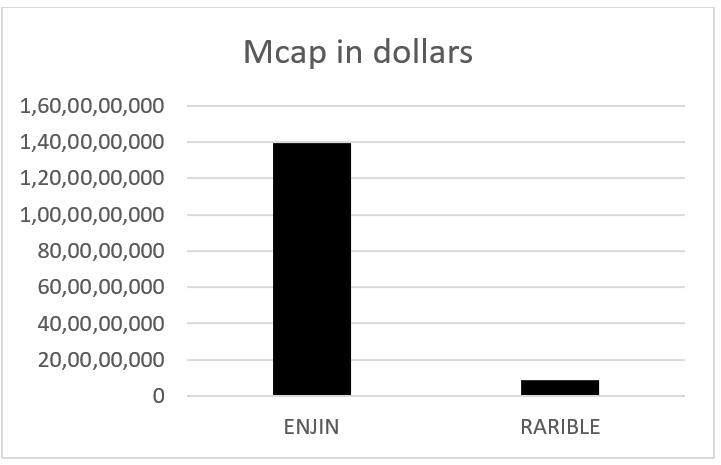
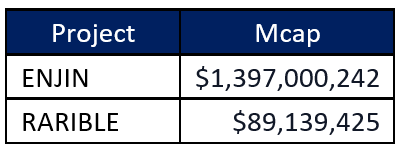
The gaming industry is worth more than 300 billion dollars and Enjin also operates in the NFT space as well making their potential huge. This concept is quite unique with no immediate competition, with RARIBLE being their closest competitor.

Team, Media, and Community Strength

Enjin is a project that is operating in Singapore. They have a fully distributed team spread across five continents and 20 countries—unified by a mission to build futuristic, world-class products.

Their media presence is strong & their community strength is excellent, with over 300k Twitter followers & 57k telegram followers.

Conclusion

Pros: Enjin is aiming to solve one of the biggest problems in the gaming space which is worth approximately 300 billion dollars. It is live and operational and has 1.7 million wallet downloads & 1.16 billion virtual assets have been created. The token is designed in such a way that if the project grows, the value of the ENJ token will also grow.

Cons: Enjin does not have much traction from the traditional gaming companies so far.

MintingM rating for Enjin is 3.7/5

download

Stacks Research Report

Research summary:

This research report is focused on “Stacks”. We will focus on how the project works, what value it adds, and review its pros and cons.

The CMP is $1.27 as of the 1st of October.

What is Stacks?

Bitcoin is the biggest cryptocurrency in the world with a market capitalization of $850 billion. It is considered as a store of value, decentralized money, and is pseudo-anonymous. Looking at this innovation, people such as Vitalik Buterin decided to create a platform where you could create decentralized applications. This has led to multiple generations of blockchains and innovation happening in full swing.

There have been multiple projects created keeping bitcoin shortcomings in mind, for example, Monero was created with the objective of privacy (better than bitcoin). However, there are some projects working to unleashes Bitcoin’s full potential. Stacks is one such project.

Stacks (Previously known as Blockstacks) is an open-source network of decentralized apps and smart contracts built on Bitcoin.

It is currently ranked at #68 (based on Mcap) in the cryptocurrency market. There is a maximum supply of 1.818 billion STX tokens out of which 1.25 billion STX tokens are in circulation. STX is currently listed on Binance, OKEx, and Kucoin.

How does Stacks work?

Bitcoin at the beginning of its journey had the following motto “Don’t be Evil”, which it eventually removed. Stacks has the following motto “Can’t be Evil”, indicating that they are trying to decentralise the internet where the people will have privacy and control over their data.

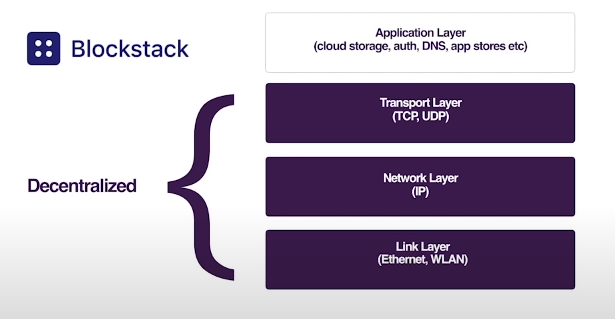
According to founders, Stacks isn’t trying to reinvent the wheel. Currently, the internet is already decentralized, however, it is the application layer which isn’t decentralized & its focus is to change this with the help of smart contracts.

(Stacks was referred to as blockstacks in the past)

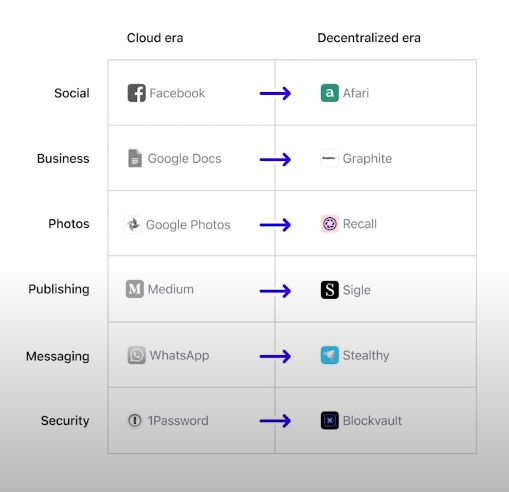
So, with the help of Stacks, developers will be able to create decentralized version of the traditional applications.

Stacks is a layer-1 blockchain that connects to Bitcoin for security and enables decentralized apps and predictable smart contracts. All the transactions on the Stacks blockchain are verifiable on the Bitcoin blockchain. Stacks can scale up independently and do not modify Bitcoin in any form.

Stacks leverages Bitcoin’s strengths. Bitcoin is a tamper-proof source of truth; a value settlement protocol. Once you have the ultimate source of truth, other decentralized protocols and use cases can be built on it.

What is the utility of the STX?

STX token is the fuel for the stacks blockchain and in simple terms is quite essential for the Stacks ecosystem. It is vital for the execution of the smart contracts, very similar to how ether operates on the Ethereum network.

Stacks can be locked by STX holders to participate in consensus and earn Bitcoin rewards. This process is called Stacking. The long-term value of STX depends on the growth of the Stacks network and the demand for the smart contract’s executions.

Competition analysis.

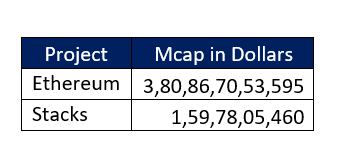
When it comes to the competition, Ethereum is the closest and the biggest competitor as both of them working on creating Dapps or decentralized applications. 

Although Stacks has a dependency on Bitcoin (unlike Ethereum), the growth potential is huge.

Team, Media, and community strength.

Stacks was founded in 2013 at Princeton by computer scientists (Muneeb Ali) and worked on the technology for 4 years. It was also peer-reviewed by individuals from Princeton and Stanford. It is also team members from the above-mentioned institutions. Their media presence isn’t strong but they do have a decent community strength. They have 81k Twitter followers and 14k telegram members.

Conclusion

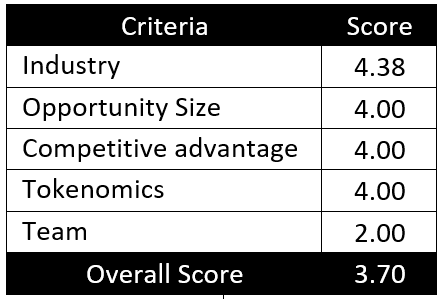
Pros: Stacks is trying to decentralize the internet by allowing people to create Dapps and is leveraging Bitcoin’s strength. It has an extremely qualified team and the technology has been peer-reviewed by individuals from Stanford and Princeton.

Cons: Ethereum and a of lot self-claimed Ethereum killers are competing in the market. Stacks has a lot of competition.


MintingM rating for Stacks is 3.7/5

111

BAND Protocol Research Report

Overview:

Band Protocol has been around in the crypto space for some years now. It is a cross-chain decentralized oracle platform that allows smart contracts to integrate with any external data source or API in a scalable format. In this report, we lay emphasis on how the project works, its problem solving capacity and review the pros and cons.

The CMP is $7.95 as of 24th September 2021.

What is Band Protocol ?

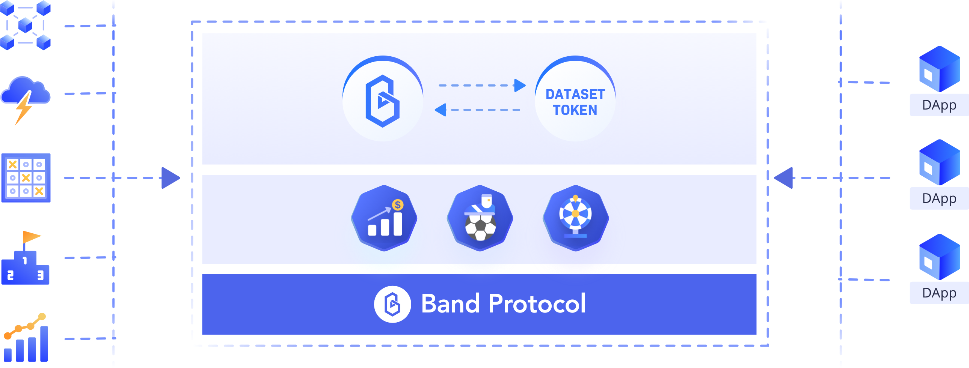
Band Protocol is a cross-chain data oracle that aggregates and connects real-world data and APIs to smart contracts. So what is an Oracle, one may ask. A cross-chain is nothing but, the capacity of two relatively independent blockchains to communicate with one another and blockchain oracle is a third-party service that provides smart contracts with information from the outside world.

The protocol is built on top of BandChain, a Cosmos-SDK based blockchain designed to be compatible with most smart contract and blockchain development frameworks. So essentially, Band Protocol enables smart contract applications such as DeFi, prediction markets and games to be built on-chain without relying on the single point failure of a centralized oracle.


Image source: https://cryptogems.com

Why BAND matters and its problem solving capabilities

Before we interpret the fundamentals of the Band protocol, lets us try to understand the so called “Oracle problem” in the blockchain space. The oracle problem is mainly concerned with a very simple limitation that blockchain cannot fetch in data or push out data to and from any external system as an inherent functionality. As a matter of fact, blockchains are isolated networks, similar to a computer with no Internet connection.

To further simply it, we know that Smart contracts are great at providing fixed storage and verifiable transactions due to its deterministic nature. However, their use cases have previously been limited due to the lack of access to information in the real world.

For example, in order to create a decentralized lending protocol on blockchain, the smart contract needs access to the asset prices in order to calculate the security/insurance required for the position to stay healthy. Since most of the trading activities happen off-chain on the centralized exchanges, smart contracts cannot acquire the trading price information without a 3rd party tool to relay them into the blockchain. Without such data, it may not be possible to ensure that all the funds are safe, and the borrowers won’t lose money using the protocol. Oracle solutions such as Band Protocol act as a middleware structure, operating between the decentralized applications and various data sources. It ensures that smart contracts have access to APIs and data sources outside of the blockchains.

Image source: https://medium.com

Fundamentals of Band Protocol

A lot of terminology in the fundamentals of Oracle solutions is very technical and for the Band protocol it is no different. Let us try to make it as easy to understand as possible.

When a person wants to request data from the Band Protocol, they submit a smart contract to the BandChain containing the details of what data they want and how they want it to be aggregated. Validators are then pseudo-randomly selected based on varying degrees of importance of their respective stake to provide the data.

This is done by getting the data from the sources specified by the smart contract and aggregating the data in the manner specified by the smart contract. This data is then stored on the BandChain and is readily available for other requestors, if any.

If this is still difficult to understand, imagine ordering at a restaurant. You place an order (smart contract) for a pizza (data) and specify in the order that you want ketchup on one bun and mayo on the other bun (the specific way you want the data added together).

Cooks (validators) are “randomly” selected based on how well they can prepare a pizza (probably the best cook is in the washroom, so they choose the second-best burger cook instead). After paying for your order (in BAND tokens) you receive your custom made pizza (data).

In contrast to restaurants, this process takes 3-6 seconds from start to finish on the BandChain and costs less than 1 USD

Band Protocol was developed with the vision to build an oracle infrastructure that supports multiple blockchain platforms while expanding the applicability of smart contracts. The project helps to connect public blockchains with off-chain information, with the following design criteria:

  • Speed ​​and scalability: The system must be able to accommodate a large number of data requests for multiple public block chains with minimal latency.
  • Crosschain compatibility: The system can serve data for all available public blockchains.
  • Flexible data provision: Supports a variety of ways to retrieve and aggregate data.

Use cases:-

a) Decentralized Standard Price Reference

Soravis Srinawakoon, one of the co-founders said that, “with the next major upgrade of our Standard Dataset, we will be adding a new mechanism that will allow anyone to send price update transactions to our oracle contract themselves, all secured and verified by our lite client verification architecture and a challenge mechanism”.

b) Cross Chain communication

Oracles such as Band will not only be useful within the context of a single destination chain, but also will a core infrastructure in relaying information and facilitating communication between two independent chains. This can be in the form of verifying token transfer transactions when bridging assets across chain, relaying transaction between chain, and any other arbitrary number of data or actions that needs to be transferred across networks.

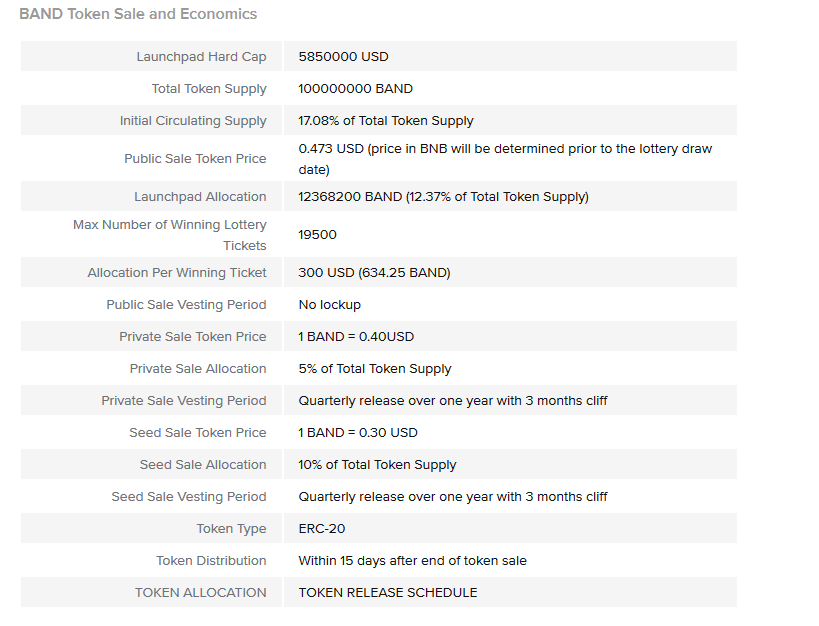
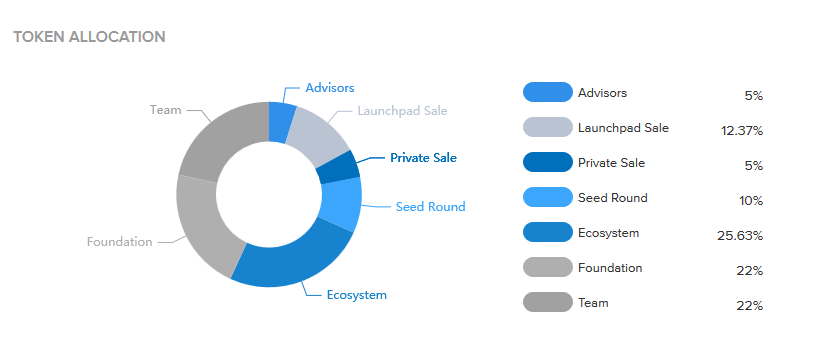
Tokenomics

Image source: https://cryptogems.com

Competition Analysis

Band Protocol vs ChainLink

Why does Band protocol sound so much like ChainLink ? That is because ChainLink is the one of the single largest direct competitor to Band Protocol. ChainLink is currently the most popular oracle in the crypto space by a long shot.

Some of Band Protocol’s features are best appreciated and understood when compared and contrasted to those of its closest competitors in the Oracle space like Chainlink, API3, Umbrella network etc.

Image source: https://medium.com

Team, Media & Community strength

The Band Protocol was initiated in 2017 by co-founders – Soravis Srinawakoon, Sorawit Suriyakarn and Paul Nattapatsiri

Their media presence doesn’t seem to be significant however with over 100K Twitter followers and over 25K Telegram members, their community is growing at a rapid rate.

Conclusion

As mentioned earlier, Band Protocol’s multifaceted capability makes it potentially useful to a wide array of Dapps. Soravis Srinawakoon, aptly describes the oracle problem as being worth “billions of dollars” and arguably just as valuable to Dapps as the blockchains which run them. Oracles like Band Protocol are quite literally the ‘internet connection’ which make “world computer” blockchains like Ethereum useable and valuable.

Pros

  • Widespread usage across different growing ecosystems like Luna, Cosmos etc.
  • Low fees for data requests that may eventually favour start-ups.
  • Interoperable architecture

Cons

  • Nota as recognised or popular as Chainlink
  • Uses random selection for data oracle nodes
  • Not enough headway with large DeFi apps

As different options emerge, offering less congestion and other potential technical utilities, Band Protocol may benefit from its “jack of all trades” design, by working across multiple blockchains and relying on community data sources.

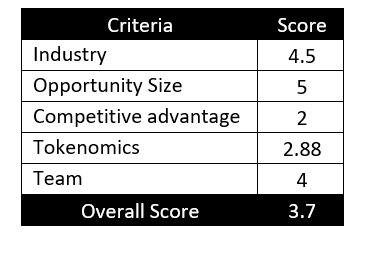
MintingM rating for Band Protocol: 3.75/5