WEEKLY MARKET REPORT
NASDAQ – Global leading Tech Index

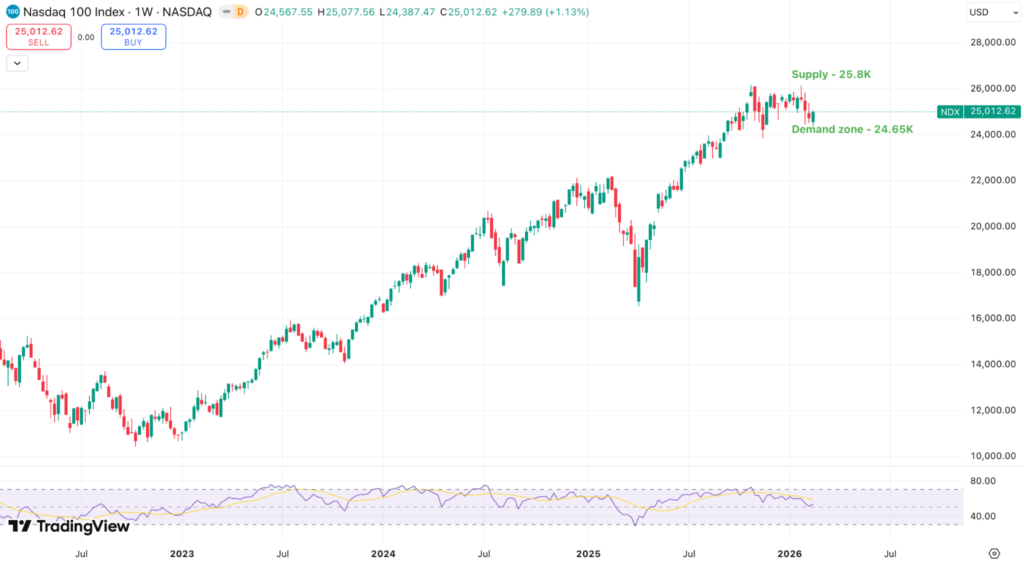
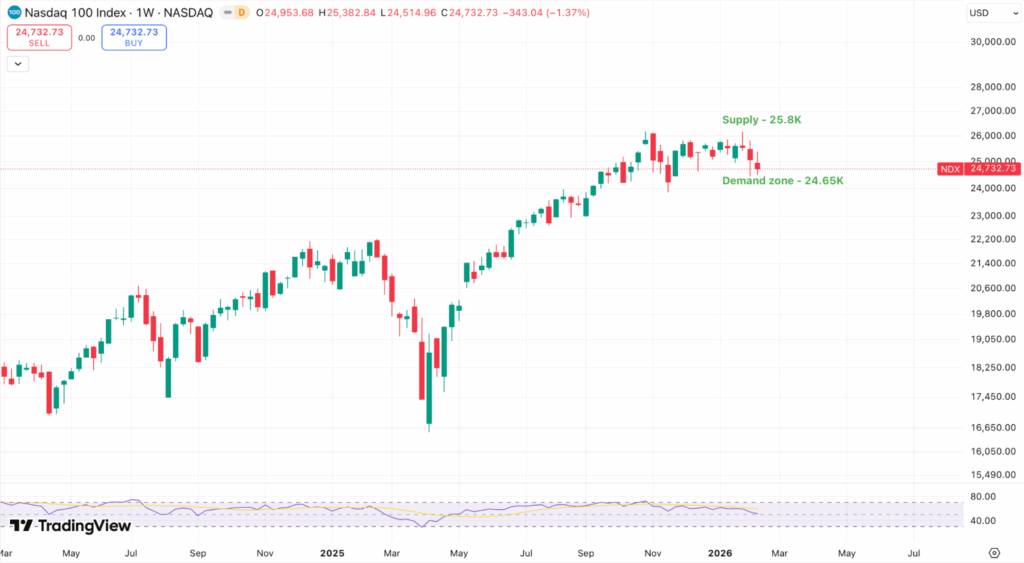
The NASDAQ Index corrected 1.87% and closed at 25,075 in the last week. The critical support is expected at 24,650 levels and next resistance is expected around 25,800 levels.
Pepsico and Texas Instruments were the strongest stocks for the week, rising around 18 & 15% respectively.
The NASDAQ Index is expected to gain this week
CRYPTO
What is the general sentiment for Crypto?
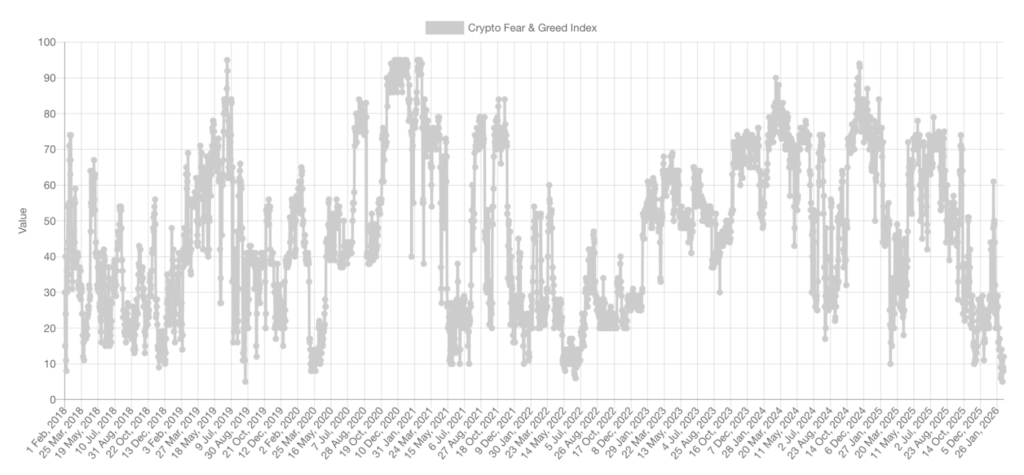
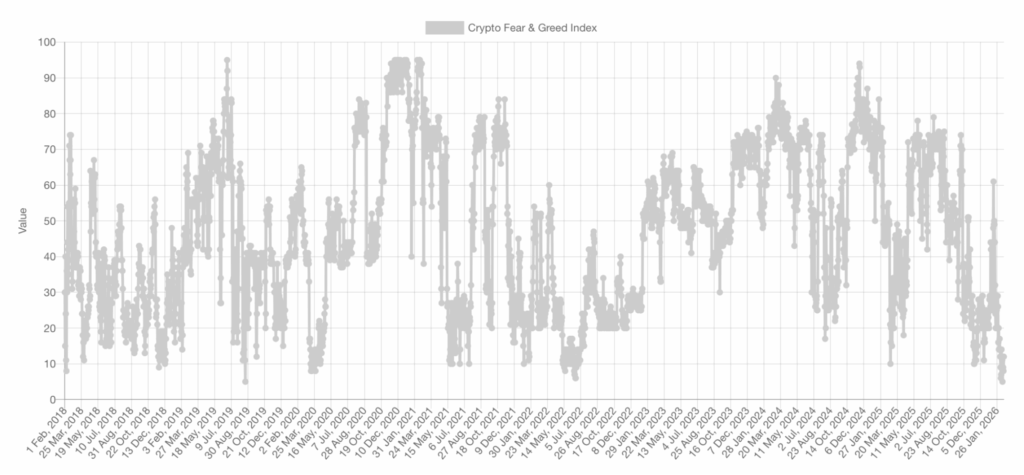
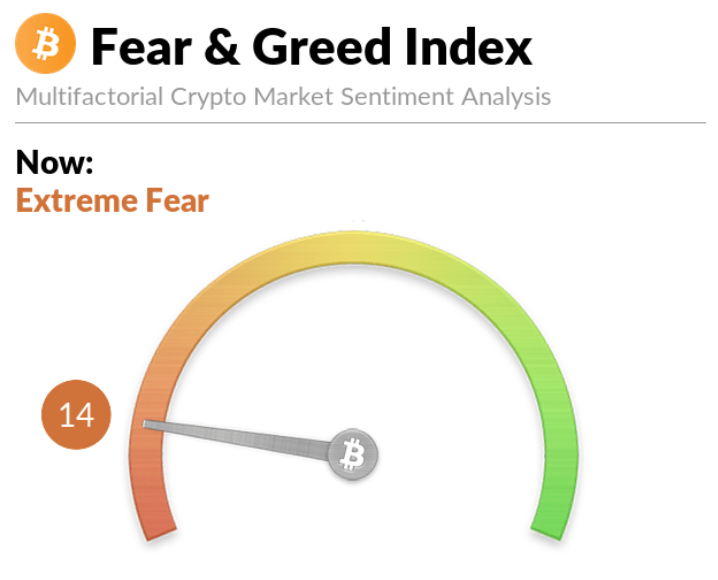
The sentiment towards the cryptocurrency market remained in the FEAR zone. Compared to last week, the Fear & Greed Index stayed flat at “14”
CVDD-TOP CAP PRICE CHART INDICATOR

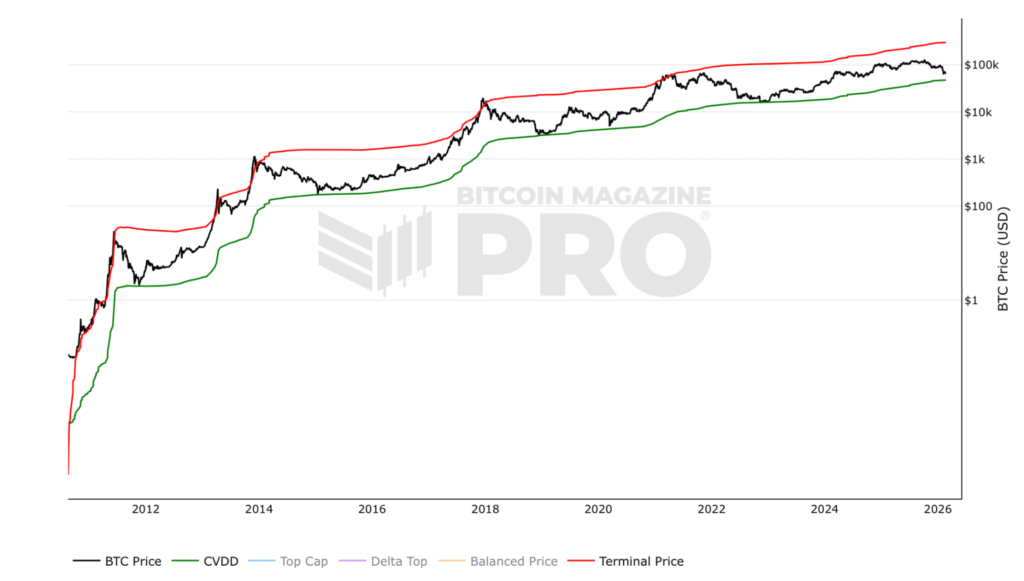
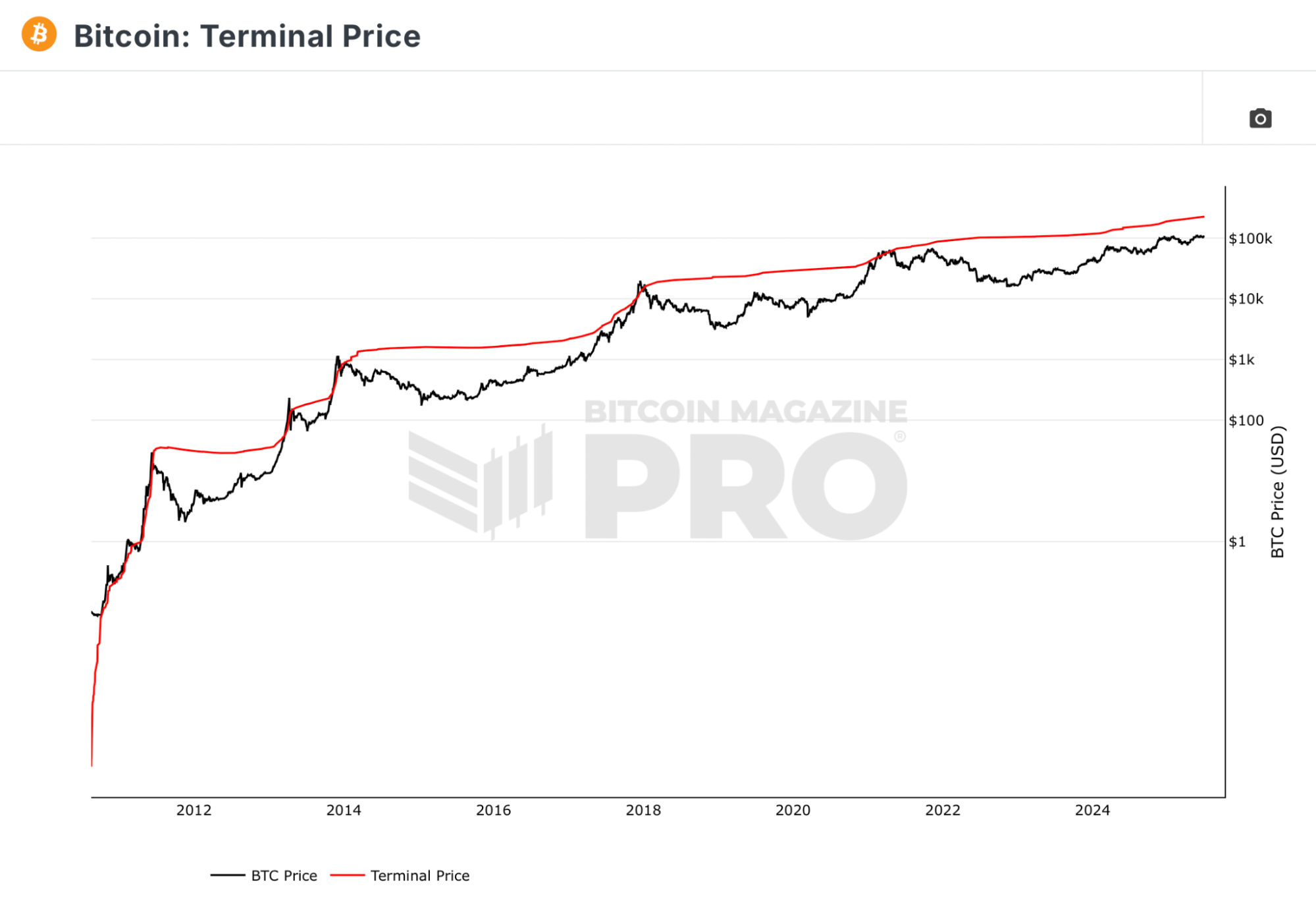
Bitcoin is expected to continue its upward movement. As per the Terminal price model, Bitcoin’s cycle top price prediction is around $295,000
Bitcoin chart

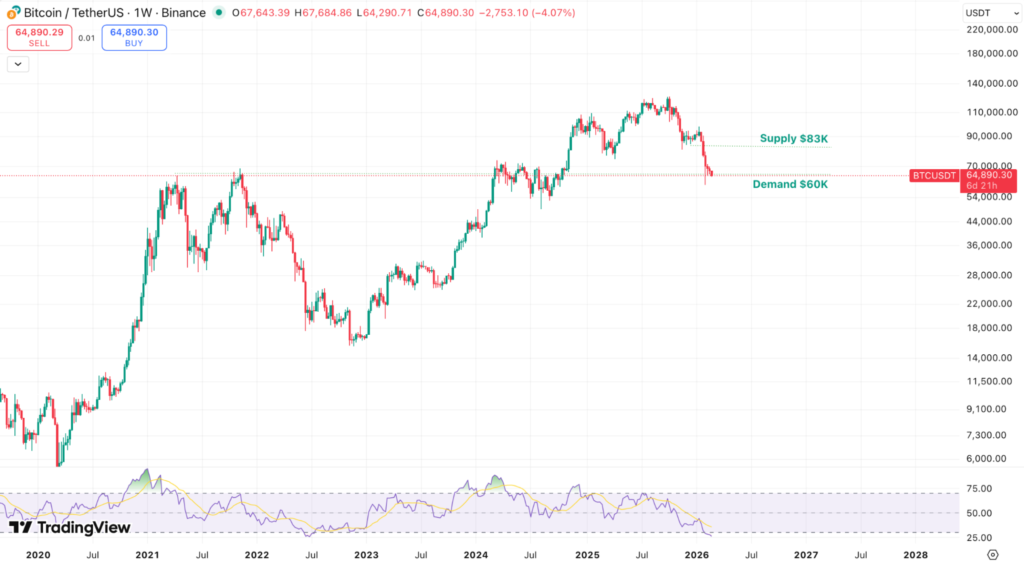
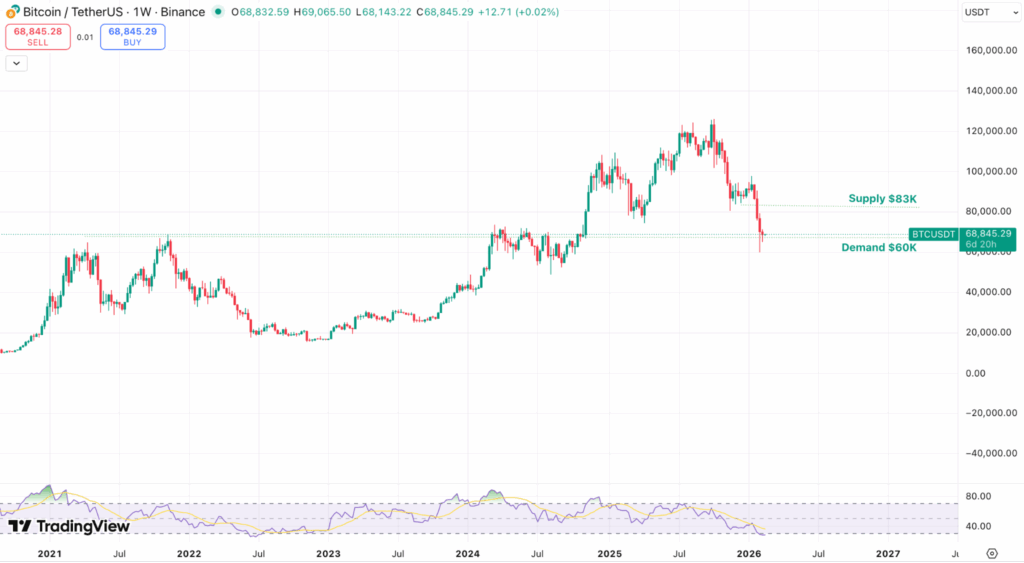
$BTC corrected 8.6% and closed at 70.3K in the last week. The immediate support is expected at $60K and resistance is expected at $83K. Bitcoin has reached the demand zone and is expected to bounce back this week
ETH/USDT

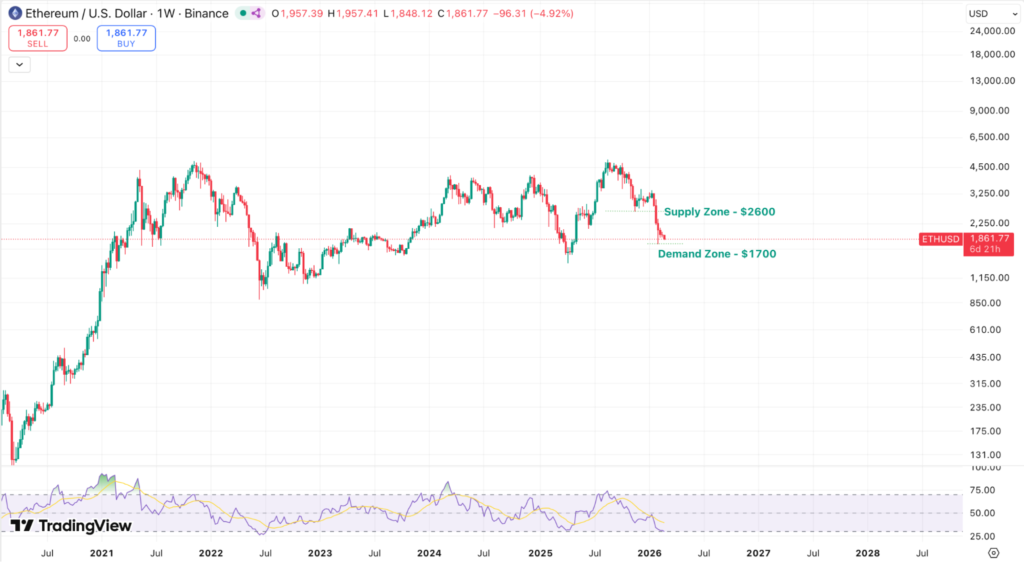
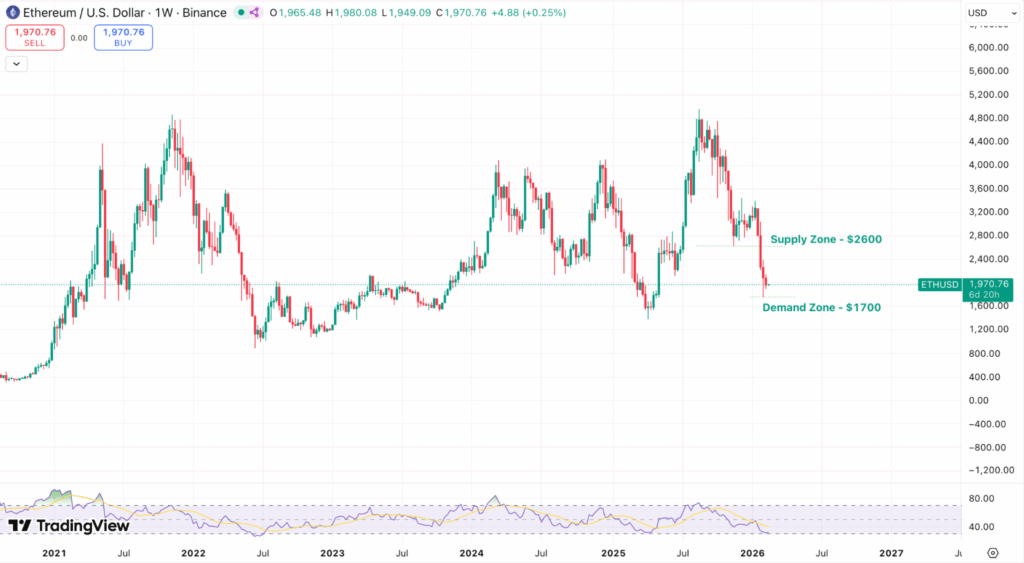
$ETH corrected 7.86% and closed at $2.1k in the last week. An immediate support is expected around $1700 and resistance is expected around $2600 levels. ETH is expected to gain this week
Strong momentum tokens to watch for – SKY & HYPE
NIFTY
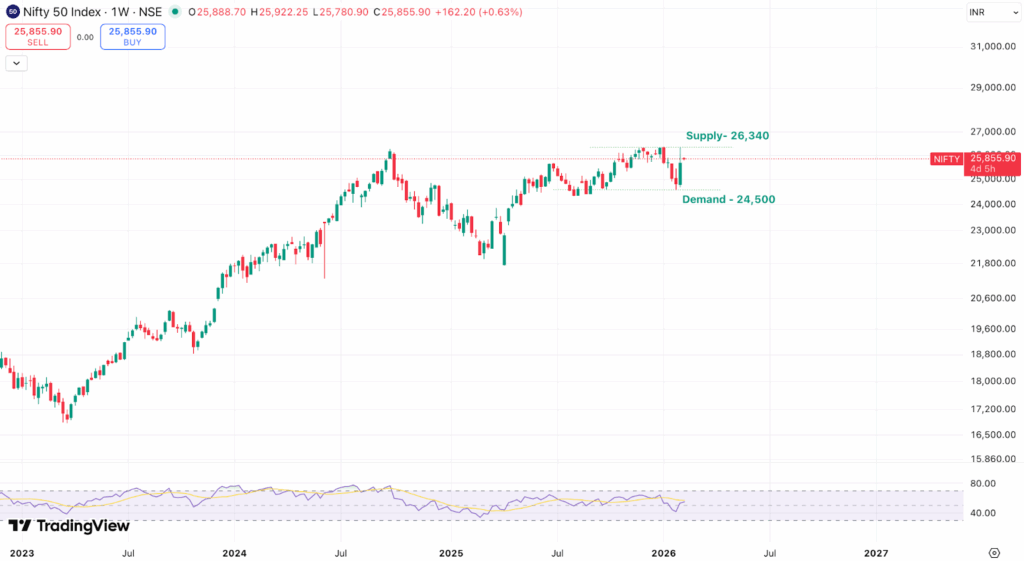
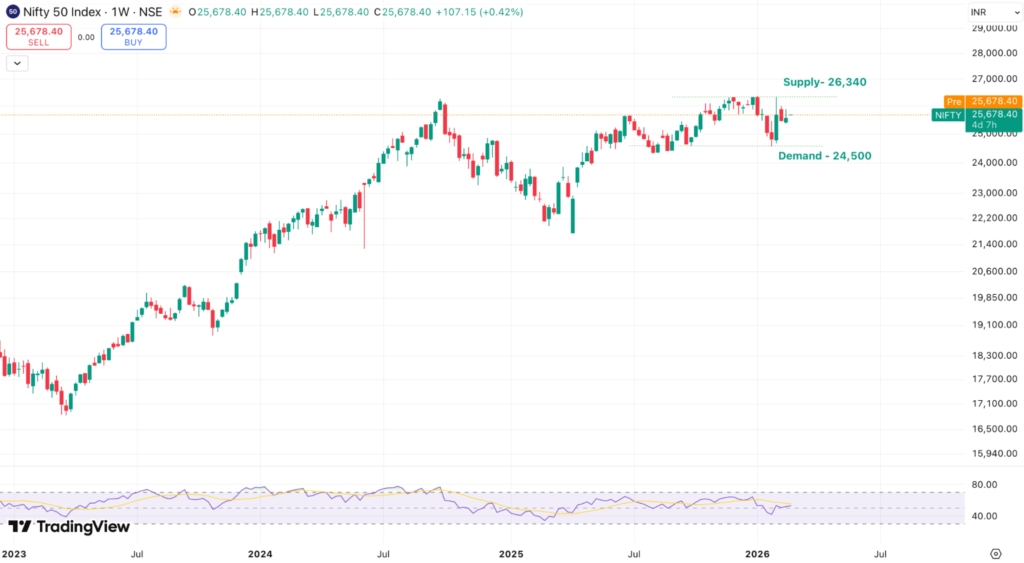
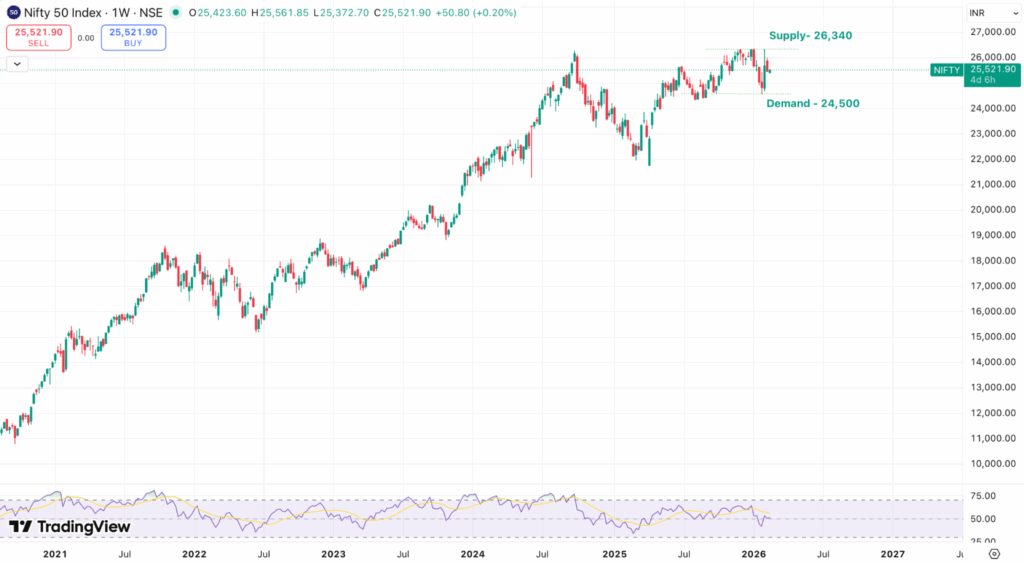
The Nifty50 Index gained by 3.5% and closed at 25,693 in the last week. An immediate support is expected around 24,500 and resistance is expected around 26,340 levels. Nifty is expected to bounce back this week
Sector expected to perform in the coming week – Auto & Chemicals
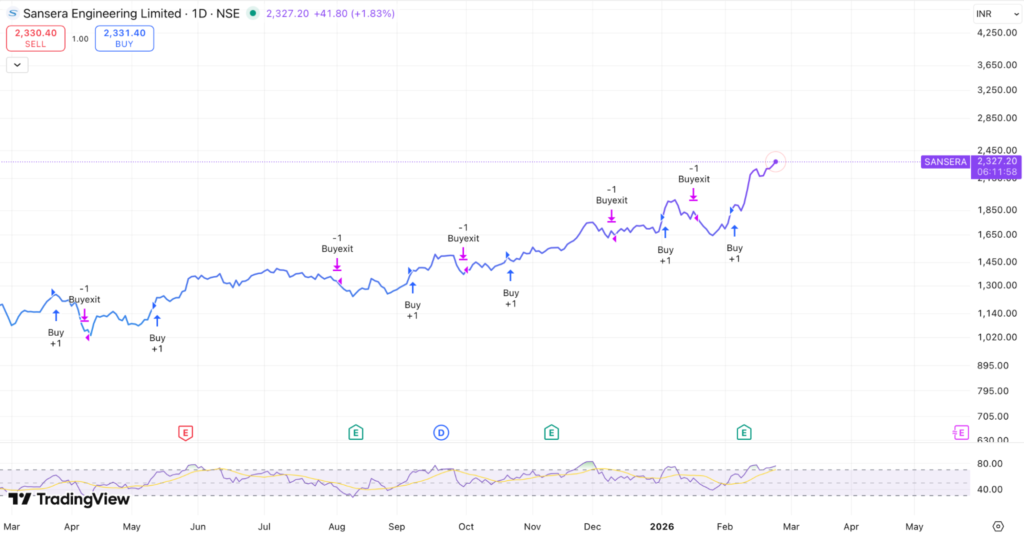
PICK OF THE WEEK – SYRMA

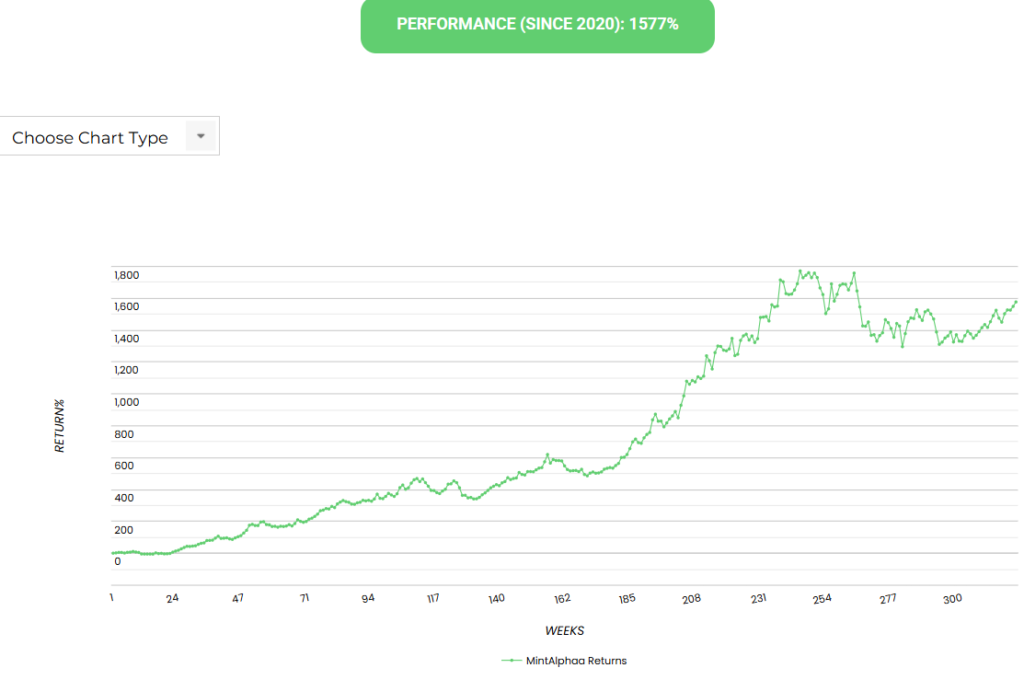
MINTALPHAA – AI Based Stock Portfolio

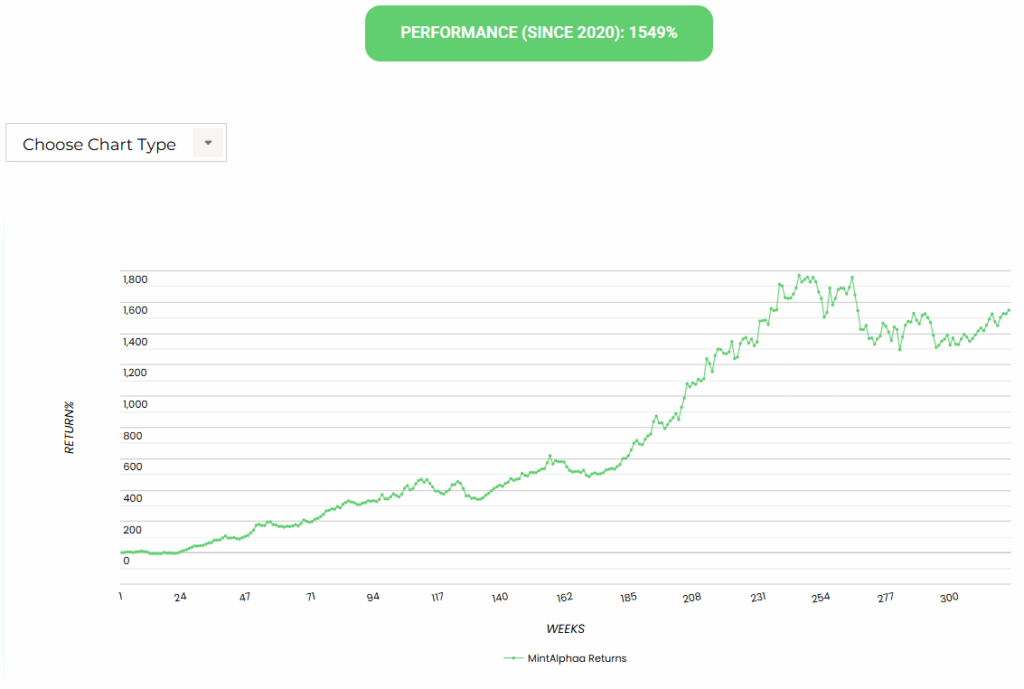
MintAlphaa: Where Cutting-Edge AI Meets Superior Returns. Unlock the potential of the market with our high-performing AI portfolios and advanced investment strategies.
Automate your stock investments today with MINTALPHAA
Listen to our founder speaking about crypto investments on the Spotify podcast with financial express.
WEEKLY MARKET REPORT
NASDAQ – Global leading Tech Index
The NASDAQ Index corrected 0.21% and closed at 25,552 in the last week. The critical support is expected at 24,650 levels and next resistance is expected around 25,800 levels.
Texas Instruments & Meta were the strongest stocks for the week, rising around 12 & 9% respectively.
The NASDAQ Index is expected to gain this week
CRYPTO
What is the general sentiment for Crypto?
The sentiment towards the cryptocurrency market remained in the FEAR zone. Compared to last week, the Fear & Greed Index decreased to “14” from the previous level of “29”

CVDD-TOP CAP PRICE CHART INDICATOR
Bitcoin is expected to continue its upward movement. As per the Terminal price model, Bitcoin’s cycle top price prediction is around $295,000
Bitcoin chart

$BTC corrected 11.2% and closed at 77K in the last week. The immediate support is expected at $74.5K and resistance is expected at $97K. Bitcoin has reached the demand zone and is expected to bounce back this week
ETH/USDT

$ETH corrected 19.4% and closed at $2.66k in the last week. An immediate support is expected around $2100 and resistance is expected around $3400 levels. ETH has reached the demand zone and is expected to gain this week
Strong momentum tokens to watch for – AWE & HYPE
NIFTY

The Nifty50 Index corrected by 0.89% and closed at 24,825 in the last week. An immediate support is expected around 24,500 and resistance is expected around 25,500 levels. Nifty is expected to bounce back this week
Sector expected to perform in the coming week – Defence & Chemicals
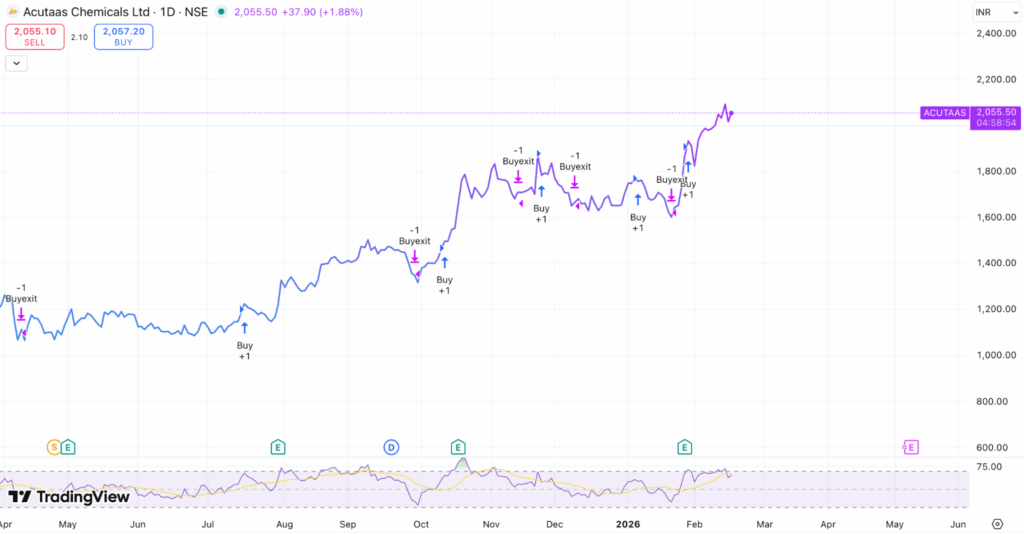
PICK OF THE WEEK – ACUTAAS

MINTALPHAA – AI Based Stock Portfolio

MintAlphaa: Where Cutting-Edge AI Meets Superior Returns. Unlock the potential of the market with our high-performing AI portfolios and advanced investment strategies.
Automate your stock investments today with MINTALPHAA
Listen to our founder speaking about crypto investments on the Spotify podcast with financial express.
WEEKLY MARKET REPORT
NASDAQ – Global leading Tech Index

The NASDAQ Index corrected 0.30% and closed at 25,605 in the last week. The critical support is expected at 24,650 levels and next resistance is expected around 25,800 levels.
Advanced Micro & Meta were the strongest stocks for the week, rising around 8% each.
The NASDAQ Index is expected to gain this week
CRYPTO
What is the general sentiment for Crypto?
The sentiment towards the cryptocurrency market remained in the FEAR zone. Compared to last week, the Fear & Greed Index decreased to “29” from the previous level of “44”

CVDD-TOP CAP PRICE CHART INDICATOR
Bitcoin chart

$BTC corrected 7.48% and closed at 86.6K in the last week. The immediate support is expected at $83K and resistance is expected at $100K. Bitcoin is expected to bounce back from the lower end of the regression channel.
ETH/USDT
$ETH corrected 14.2% and closed at $2.8k in the last week. An immediate support is expected around $2800 and resistance is expected around $3500 levels. ETH is expected to gain this week
Strong momentum tokens to watch for – PUMP & HYPE
NIFTY
The Nifty50 Index corrected by 2.5% and closed at 25,048 in the last week. An immediate support is expected around 24,350 and resistance is expected around 25,650 levels. Nifty is expected to consolidate this week
Sector expected to perform in the coming week – PSU banks & Metals
PICK OF THE WEEK – HINDZINC

Metals
Copper looks good in metals, it is expected to gain this week
MINTALPHAA – AI Based Stock Portfolio
MintAlphaa: Where Cutting-Edge AI Meets Superior Returns. Unlock the potential of the market with our high-performing AI portfolios and advanced investment strategies.
Automate your stock investments today with MINTALPHAA
Listen to our founder speaking about crypto investments on the Spotify podcast with financial express.


