Ethernity Chain stands as the leading platform for global brands to bring their franchises onto the blockchain. Originally introduced as an NFT marketplace, it has evolved into an ETH Layer 2 platform with advanced AI-driven security, redefining on-chain entertainment, all fueled by $ERN.
ERN is ranked #620 with a market capitalization of over $38 million. The current market price of the token is 1.51USDT
The ERN/USDT price had been on a down trend since December, last year. On the daily time-frame, the trend has broken out of the descending trendline with considerable volume support. The RSI indicates an aggressive momentum in price. The next resistance is expected at 1.83 USDT and an immediate support is expected at 1.42 USDT.
Get Started with your Stock Investments today with MINTALPHAA
Get deeper insights into the crypto market’s weekly trends discussed on our Spotify podcast.
Cryptocurrency has revolutionized the digital financial market, providing investors with numerous opportunities. However, one of its defining characteristics is its volatility. While this volatility can lead to significant profits, it also poses risks that traders and investors must navigate carefully.
Understanding cryptocurrency market fluctuations requires examining various factors, including supply and demand, regulatory influences, market liquidity, and investor sentiment. By comprehending these dynamics, investors can develop strategies to manage risks effectively and optimize their returns.
Cryptocurrency Demand and Supply
Cryptocurrency operates within a digital ecosystem, but its supply-and-demand mechanics are similar to those of traditional financial markets. Unlike fiat currencies, which central banks can print at will, many cryptocurrencies have fixed supply limits. For example, Bitcoin has a hard cap of 21 million coins, making scarcity a fundamental driver of its price.
Demand, on the other hand, is influenced by several factors, such as investor sentiment, media coverage, technological developments, and institutional adoption. When demand outpaces supply, prices rise; conversely, when demand declines, prices drop, often leading to extreme volatility.
Why Is Cryptocurrency Volatile?
Crypto market volatility refers to the rapid and significant changes in asset prices over short periods. The high volatility of assets like Bitcoin and Ethereum makes them attractive to traders seeking quick gains but also increases the risk of substantial losses. Several factors contribute to this volatility:
Market Factors Influencing Price Fluctuations
Supply and Demand Dynamics When a significant portion of cryptocurrency supply is concentrated among a few large holders, price swings can be more pronounced. Large transactions by these holders can trigger rapid market shifts, creating both risks and opportunities for retail investors.
Market Liquidity and Trading Volume Higher liquidity and trading volume generally stabilize prices by making it easier for traders to buy and sell without affecting market value. In contrast, low liquidity can result in sharp price movements, making it difficult to execute trades at expected prices.
Market Capitalization and Dominance of Major Cryptocurrencies Large cryptocurrencies like Bitcoin and Ethereum have substantial market dominance, meaning their price movements often dictate broader market trends. When these assets experience significant gains or losses, the entire market tends to follow suit.
Market Manipulation and Insider Trading
Cryptocurrency markets are susceptible to manipulation due to their relative lack of regulation. Some common manipulative practices include:
Pump and Dump Schemes These schemes involve artificially inflating a cryptocurrency’s price through misleading hype, only for manipulators to sell at the peak, leaving retail investors with losses.
Wash Trading and Spoofing Wash trading involves simultaneous buying and selling of the same asset to create an illusion of high demand. Spoofing refers to placing large buy or sell orders with no intent to execute, misleading traders about market trends.
Regulatory and Legal Factors in India
Government regulations significantly impact cryptocurrency volatility. In India, regulatory announcements regarding taxation, trading restrictions, or outright bans have caused sharp price swings in the past. Investors must stay informed about legal developments to mitigate risks effectively.
Legal considerations include:
Compliance with tax laws related to crypto transactions.
Choosing regulated cryptocurrency exchanges to minimize risks associated with fraud and security breaches.
Investor Sentiment and Behavioral Factors
Psychological factors play a crucial role in cryptocurrency market movements. Investor behavior is often influenced by emotions such as fear and greed, leading to exaggerated price movements.
Market Movements and Herd Mentality Many investors follow market trends without independent analysis, leading to inflated price movements during bull markets and excessive sell-offs during downturns.
Fear, Uncertainty, and Doubt (FUD) Negative news, rumors, or regulatory actions can create widespread panic, resulting in sharp price declines. In some cases, FUD is deliberately spread to manipulate markets.
How to Invest in Cryptocurrency When It Is Volatile
Managing risk in a volatile market requires strategic planning. Some essential risk management techniques include:
Portfolio Allocation and Diversification Spreading investments across multiple assets reduces exposure to the volatility of any single cryptocurrency.
Implementing Risk-Reward Ratios and Stop-Loss Orders Setting stop-loss orders ensures that losses are contained by automatically selling assets if their price falls below a predefined level. Risk-reward ratios help traders assess whether a trade’s potential returns justify the risks involved.
Conclusion
Understanding cryptocurrency volatility is crucial for both traders and long-term investors. While the crypto market presents significant opportunities, it also carries substantial risks that require effective risk management strategies.
By diversifying portfolios, staying informed about regulatory changes, and employing protective trading measures, investors can navigate market fluctuations and make informed decisions. Ultimately, knowledge and discipline are key to successfully investing in the high-stakes world of cryptocurrency.
🔍 Get more insights into the evolving AI and tech landscape with MINTALPHAA. 🎙️ Stay updated on the latest crypto and tech trends through our Spotify podcast.
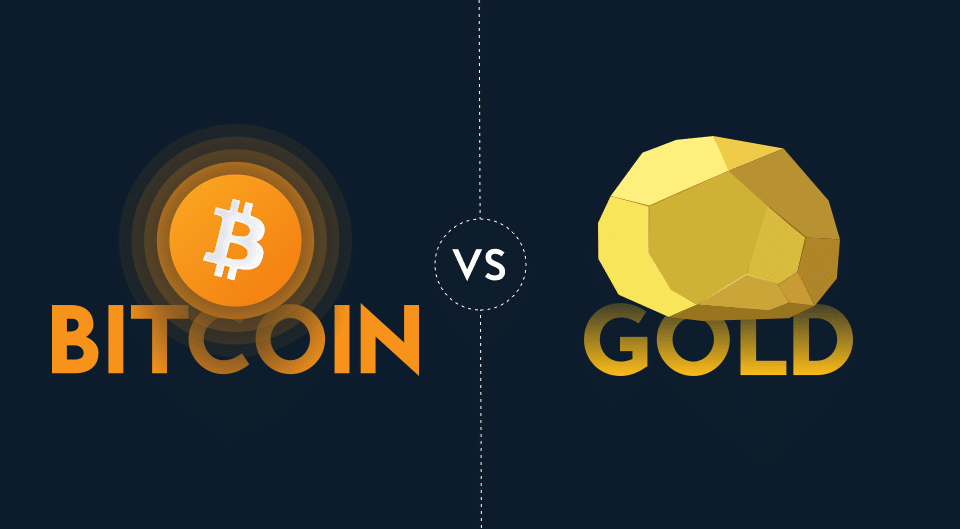
Gold vs Bitcoin Investment: Which Is the Better Choice?
For centuries, gold has been a cornerstone of wealth preservation, serving as a hedge against economic downturns and inflation. However, in recent years, Bitcoin has emerged as an alternative asset, offering investors a new store of value that operates outside traditional financial systems. As both assets gain traction among investors, the question remains: Which is the better investment—gold or Bitcoin?
The Case for Bitcoin
Bitcoin, launched in 2009, introduced a decentralized digital asset designed to function as a borderless and censorship-resistant form of money. Initially attracting niche enthusiasts, Bitcoin rapidly gained popularity as an investment vehicle. Early adopters saw significant price appreciation, and institutional investors began exploring Bitcoin as an asset class.
During the COVID-19 pandemic, Bitcoin’s value soared as investors sought alternative stores of value. In April 2021, Bitcoin reached a high of $61,000, peaking at $69,000 in November of the same year. After a prolonged crypto winter, Bitcoin rebounded, hitting an all-time high of over $75,000 in March 2024, fueled by the approval of Bitcoin spot exchange-traded funds (ETFs) in the U.S.
Bitcoin’s appeal lies in its fixed supply of 21 million coins, making it a deflationary asset. Investors view it as “digital gold,” a hedge against inflation and currency devaluation. Its decentralized nature also makes it immune to government control, unlike fiat currencies.
The Case for Gold
Gold has a long history as a store of value, dating back thousands of years. It has consistently served as a safe-haven asset during market downturns. Unlike fiat currencies, gold maintains its intrinsic value and has widespread applications across industries, including electronics, dentistry, and jewelry.
During economic crises, gold has traditionally performed well. The COVID-19 pandemic was no exception—gold surged from below $1,300 in early 2019 to nearly $2,100 in mid-2020. While its price adjusted as economies recovered, gold remained a reliable hedge against uncertainty.
Gold’s stability makes it attractive to risk-averse investors. Unlike Bitcoin, which experiences extreme price fluctuations, gold’s price movements tend to be more predictable. Additionally, gold has an established regulatory framework, making it a well-accepted investment across borders.
Key Differences Between Gold and Bitcoin
Regulation and Security
Gold is heavily regulated, with stringent controls over its trade, ownership, and transportation. Investors typically purchase gold through registered dealers, and holding physical gold requires secure storage.
Bitcoin, while secure due to its decentralized and encrypted nature, operates in a less regulated environment. Some governments have imposed restrictions, and regulatory clarity is still evolving. However, Bitcoin’s digital nature allows for easy cross-border transfers, unlike gold.
Utility and Use Cases
Gold’s utility extends beyond investment—it is used in manufacturing, technology, and jewelry. This diversification of use cases helps gold retain its value.
Bitcoin, on the other hand, is primarily used as a digital asset for investment and transactions. It has gained traction in decentralized finance (DeFi) and as a medium for cross-border payments. However, its adoption as an everyday currency remains limited.
Liquidity
Gold is a highly liquid asset, traded on global markets with established mechanisms for buying and selling. Large transactions can be executed without significant price impact.
Bitcoin’s liquidity depends on the platform and market conditions. While major cryptocurrencies enjoy high liquidity, selling large amounts quickly can impact prices, especially during market downturns. Some exchanges also impose daily withdrawal limits, restricting immediate liquidity.
Volatility
Bitcoin is notorious for its volatility. Its price movements are influenced by market sentiment, regulatory developments, and macroeconomic factors. While volatility presents opportunities for high returns, it also carries significant risk.
Gold, in contrast, has a lower volatility profile. While its price fluctuates based on economic conditions, it does not experience the extreme swings seen in Bitcoin. This makes gold a safer investment for those seeking long-term stability.
Which Is the Better Investment?
The choice between gold and Bitcoin depends on an investor’s risk tolerance, investment horizon, and objectives.
For stability and long-term wealth preservation, gold remains a proven asset. It is less volatile, widely accepted, and has real-world applications beyond investment.
For growth potential and diversification, Bitcoin offers a high-risk, high-reward opportunity. Its limited supply and increasing institutional adoption make it a compelling hedge against inflation.
Can Bitcoin Replace Gold?
While Bitcoin has earned the nickname “digital gold,” it is unlikely to replace physical gold entirely. Gold’s history, regulatory acceptance, and industrial applications ensure its continued relevance. However, Bitcoin is carving its own niche as a modern alternative, especially among younger investors and institutions looking to diversify portfolios.
The Bottom Line
Gold and Bitcoin each have their own strengths and weaknesses. While gold remains a reliable hedge in uncertain times, Bitcoin has demonstrated significant upside potential. Investors may find that holding a mix of both assets—combining gold’s stability with Bitcoin’s growth potential—creates a well-balanced portfolio.
Ultimately, the decision to invest in gold or Bitcoin should align with an investor’s risk appetite, financial goals, and market outlook.
🔍 Get more insights into the evolving AI and tech landscape with MINTALPHAA. 🎙️ Stay updated on the latest crypto and tech trends through our Spotify podcast.
The NASDAQ Index corrected by 2.60% last week. The critical support is expected at 20,000 levels and resistance is expected around 22,000 levels for the coming week.
ALIBABA, Analog Devices and Texas Instruments were the top gainers for the week, rising around 15%, 11% and 10% respectively.
The NASDAQ Index is expected to continue the upward momentum
CRYPTO
What is the general sentiment for Crypto?
The sentiment towards the cryptocurrency market is in the Neutral zone. Compared to last week, the Fear & Greed Index decreased to “49” from the previous level of “51”
CVDD-TOP CAP PRICE CHART INDICATOR
Bitcoin is expected to continue its upward movement. As per the above model, Bitcoin’s cycle top price prediction is around $201,000
Bitcoin chart
$BTC’s price remained flat around $96K in the previous week. The immediate support is expected at $89K and resistance is expected at $108K. Bitcoin is expected to continue with the upward momentum
ETH/BTC
ETH/BTC pair in the last week, gained around 5.82%. An immediate support is expected at 0.027 level and resistance is expected at 0.03 levels. ETH is expected to rally from this level.
NIFTY
Nifty lost around -0.6%. An immediate support is expected around 22,500 levels and resistance is expected around 27,000. Nifty looks bottomed, and the reversal is expected around these levels.
PICK OF THE WEEK – CARTRADE TECH
MINTALPHAA – AI Based Stock Portfolio
MintAlphaa: Where Cutting-Edge AI Meets Superior Returns. Unlock the potential of the market with our high-performing AI portfolios and advanced investment strategies.
Get Started with your Stock Investments today with MINTALPHAA
Get deeper insights into the crypto market’s weekly trends discussed on our Spotify podcast.
Slippage in Crypto Trading: What It Is and How to Minimize It
In the fast-paced world of cryptocurrency trading, every millisecond counts. Traders often experience a phenomenon known as slippage, where the price at which they intend to execute a trade differs from the actual execution price. Slippage can be either positive or negative, meaning traders may either gain or lose due to the price difference.
Understanding slippage is crucial for anyone actively trading crypto, as it can significantly impact profitability. This article explores the mechanics of slippage, the key factors that cause it, and the best strategies to minimize its impact.
What is Slippage and Why Does It Happen?
Slippage occurs when there is a discrepancy between the expected price of a trade and the final execution price. In crypto markets, this is a common occurrence due to high volatility and liquidity fluctuations.
When traders place orders, particularly market orders, the trade executes at the best available price. However, if the price moves during order execution, the trader may receive a different price than initially expected. This price movement is what defines slippage.
Types of Slippage:
Positive Slippage: The trade executes at a more favorable price than expected, resulting in cost savings or increased profits.
Negative Slippage: The trade executes at a worse price than intended, leading to higher costs or reduced profits
Causes of Slippage in the Crypto Market
Several factors contribute to slippage in cryptocurrency trading:
Market Volatility: Cryptocurrencies are known for their extreme price swings. Rapid fluctuations can cause order execution delays, leading to slippage.
Liquidity Issues: Liquidity refers to the ease of buying or selling an asset without affecting its price. Lower liquidity means fewer buyers and sellers, increasing the likelihood of price deviations.
Order Size: Large trades can significantly impact price movement, especially in markets with low liquidity. If there aren’t enough orders to match the trade at the expected price, the order will execute at progressively worse prices.
Network Congestion: On decentralized exchanges (DEXs), high network activity can delay transactions, causing slippage between the intended and executed prices.
Execution Speed: In volatile conditions, even slight execution delays can lead to price shifts, affecting the trade outcome.
How Does Slippage Work in Crypto Trading?
Slippage can occur in both centralized and decentralized exchanges. Let’s consider an example:
A trader places a market order to buy Ethereum at $1,800. However, due to a sudden price fluctuation, the order executes at $1,820 instead. This results in negative slippage of $20 per ETH.
Similarly, if the price had dropped to $1,780 before execution, the trader would have benefited from positive slippage, securing a better price.
Minimizing Slippage in Crypto Trading
While slippage is an inherent part of trading, certain strategies can help reduce its impact:
1. Use Limit Orders
Unlike market orders, limit orders specify an exact price at which a trade should execute. This ensures traders only buy or sell at their desired price, eliminating unexpected slippage.
2. Trade During High Liquidity Periods
Trading when markets have high liquidity, such as during peak trading hours, reduces the likelihood of slippage. More participants in the market ensure better order matching and price stability.
3. Choose Reliable Exchanges
Using exchanges with high liquidity and advanced order-matching systems can help minimize slippage. Centralized exchanges (CEXs) with deep order books are often more efficient in executing trades at expected prices.
4. Adjust Slippage Tolerance
Some trading platforms allow traders to set slippage tolerance, which defines the maximum acceptable price deviation. This is particularly useful for automated trades and decentralized exchanges.
5. Break Large Orders into Smaller Trades
Executing large trades in segments instead of placing a single large order prevents sudden price movements that could lead to high slippage.
6. Use Layer-2 and Optimized Networks
On-chain transactions on decentralized exchanges can suffer from network congestion. Trading on Layer-2 solutions like Arbitrum or Optimism, or using networks with low gas fees, can improve transaction speeds and reduce slippage.
7. Pay Higher Gas Fees (For DEX Traders)
On decentralized exchanges, paying a higher gas fee ensures faster transaction processing, reducing the risk of execution delays and potential slippage.
The Bottom Line
Slippage is a common challenge in cryptocurrency trading, but understanding its causes and implementing the right strategies can help mitigate its impact. Whether trading manually or using automated bots, minimizing slippage can lead to more efficient trade execution and improved profitability.
By leveraging limit orders, choosing high-liquidity trading periods, optimizing order sizes, and using Layer-2 solutions, traders can navigate the market more effectively while reducing unexpected price variations. Being aware of slippage and adjusting strategies accordingly is essential for success in the fast-moving world of crypto trading.
🔍 Get more insights into the evolving AI and tech landscape with MINTALPHAA. 🎙️ Stay updated on the latest crypto and tech trends through our Spotify podcast.